.png)
통합 검색
통합 검색
Papers for 2024~2026(Present)
We pursue valuable research and continuously publish papers. Through these publications, both large and small
we solve problems and contribute to the preservation of people, the environment, and the planet.

Nature Communications
April 2024 vol 15 : No1. 3356
“Extrinsic hydrophobicity-controlled silver nanoparticles
as efficient and stable catalysts for CO₂ electrolysis”
Young-Jin Ko, Chulwan Lim, Junyoung Jin, Min Gyu Kim, Ji Yeong Lee, Tae-Yeon Seong,
Kwan-Young Lee, Byoung Koun Min, Jae-Young Choi, Taegeun Noh, Gyu Weon Hwang,
Woong Hee Lee, Hyung-Suk Oh.
Abstract
To realize economically feasible electrochemical CO₂ conversion, achieving a high partial current density for
value-added products is particularly vital. However, acceleration of the hydrogen evolution reaction
due to cathode flooding in a high-current-density region makes this challenging. Herein, we find that partially
ligand-derived Ag nanoparticles (Ag-NPs) could prevent electrolyte flooding while maintaining catalytic activity
for CO₂ electroreduction. This results in a high Faradaic efficiency for CO (>90%) and high partial current density (298.39 mA cm‒2), even under harsh stability test conditions (3.4 V). The suppressed splitting/detachment of Ag
particles... ...
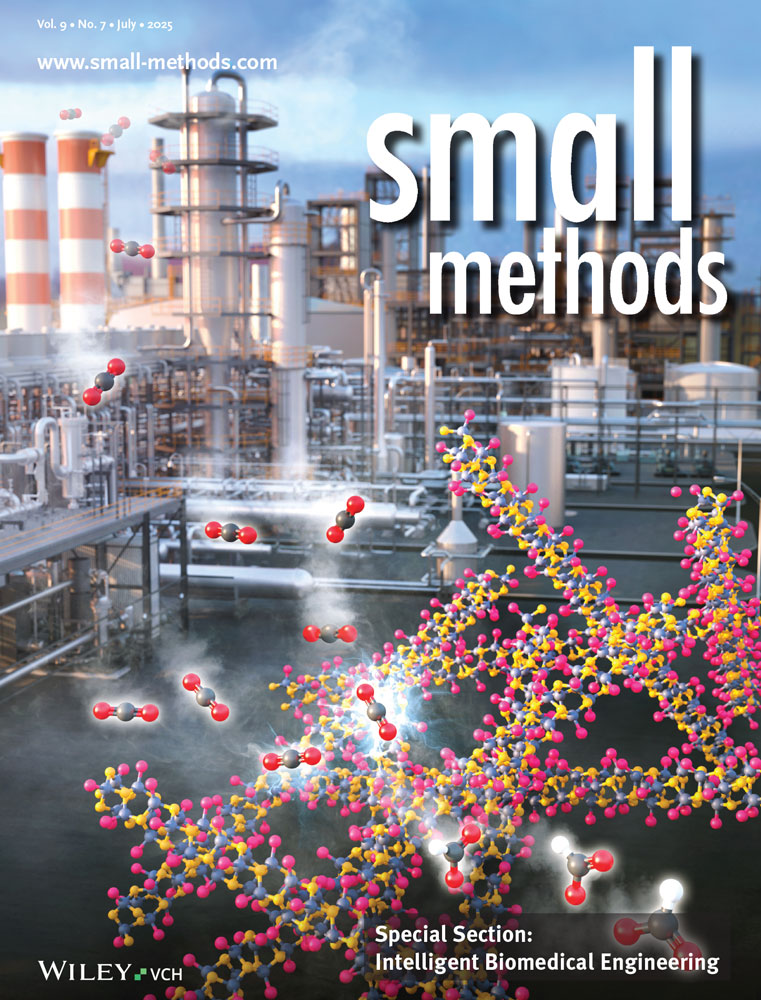
Small Methods
July 2025 vol 9 : 2401157
“Strategy for Enhancing Catalytic Active Site: Introduction of
1D material InSeI for Electrochemical CO₂ Reduction to
Formate”
Jiho Jeon, Hyeon-Seok Bang, Young-Jin Ko, Jinsu Kang, Xiaojie Zhang, Cheoulwoo Oh,
Hyunchul Kim, Kyung Hwan Choi, Chaeheon Woo, Xue Dong, Woong Hee Lee, Hak Ki Yu,
Jae-Young Choi, Hyung-Suk Oh.
activity of CO₂ reduction reaction (CO₂RR). In this study, 1D material with large surface area is utilized to enable
uniform Vo formation on the catalyst. 1D structured indium selenoiodide (InSeI) is synthesized and used as an
electrocatalyst for the conversion of CO₂ to formate. The electrochemical treatment of InSeI leads to the... ...
ACS Energy Letters
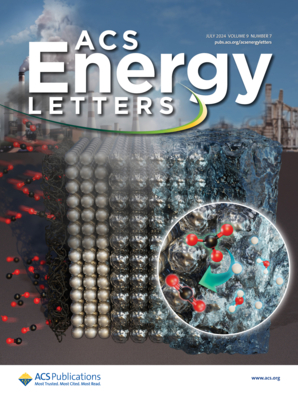
April 2024 vol 9 : Issue 7
“Deriving an Efficient and Stable Microenvironment
for a CO₂ MEA Electrolyzer by Reverse Osmosis”
Jaeyong Park, Eung-Dab Kim, Sangkuk Kim, Chulwan Lim, Hyunchul Kim, Young-Jin Ko,
Jae-Young Choi, Hyung-Suk Oh, Woong Hee Lee.
Abstract
In a membrane electrode assembly (MEA) electrolyzer based on a cation-exchange membrane, achieving an
efficient and stable CO₂ reduction reaction (CO₂RR) is challenging because the transport of protons, cations,
and electro-osmotic water from the anode changes the balance of ions. Herein, we derived a microenvironment for stable and efficient CO₂RR performance by using two strategies. First, a mixture of carbon and anion-exchange
ionomer buffer layers is used to hold cations while managing water in local alkaline media. The second strategy
involves pressurizing only the cathode side, resulting in a high local CO₂ concentration and enhancing the reverse
osmosis phenomenon. The synergistic effects of these two strategies create an efficient microenvironment... ...
Advanced Energy Materials
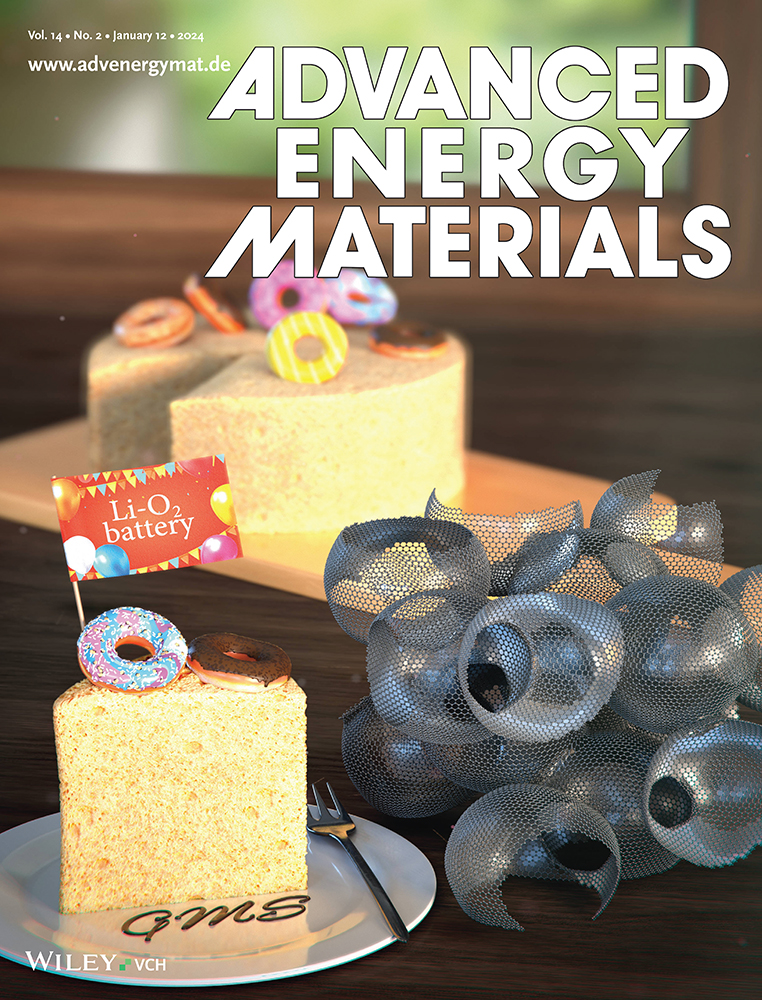
January 2024 vol 14 : 2302971 (co-first author)
“Activity Restoration of Pt–NiOctahedron via Phase
Recovery for Anion Exchange Membrane‐Unitized
Regenerative Fuel Cells”
Young-Jin Ko, Chulwan Lim, Junyoung Jin, Min Gyu Kim, Ji Yeong Lee, Tae-Yeon Seong,
Kwan-Young Lee, Byoung Koun Min, Jae-Young Choi, Taegeun Noh, Gyu Weon Hwang,
Woong Hee Lee, Hyung-Suk Oh.
Small
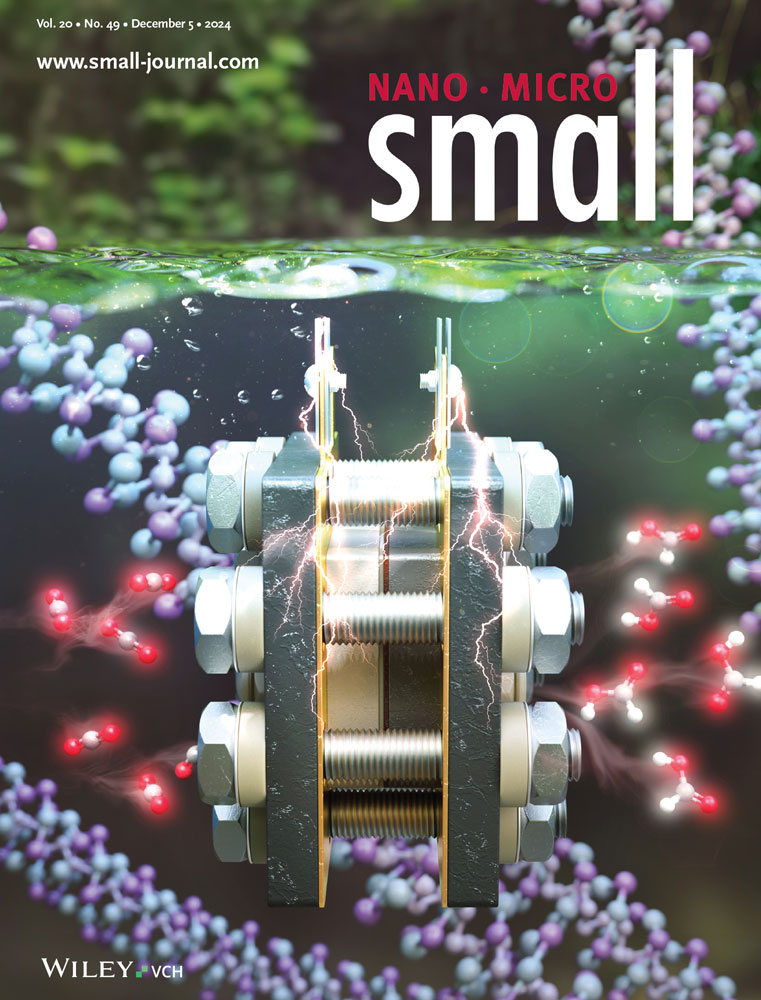
December 2024 vol 20 : 2404343
“Exploring Oxygen Vacancy Effect in 1D Structural SnIP for CO₂ Electro-Reduction to Formate”
Hyeon-Seok Bang, Jiho Jeon, Jinsu Kang, Young-Jin Ko, Cheoulwoo Oh, Hyunchul Kim,
Xiaojie Zhang, Kyung Hwan Choi, Chaeheon Woo, Xue Dong, Hak Ki Yu, Woong Hee Lee,
Jae-Young Choi, Hyung-Suk Oh.
In this study, a 1D van der Waals material, tin iodide phosphide (SnIP), is synthesized and used as an
electrocatalyst for the conversion of CO₂ to formate. The electrochemical treatment of SnIP reconstructs it into
a web-like structure, dissolves the I and P components, and increases the number of oxygen vacancies.
The resulting oxygen vacancies promote the activity of the CO₂ reduction reaction (CO₂RR), increasing the local
pH of the electrode surface and maintaining the oxidative metal site of the catalyst despite the electrochemically
reducing environment. This strategy, which stabilizes the oxidation state of the catalyst, also helps to improve... ...
Energy & Environmental Science
January 2024 vol 17 : 6215-6224
“Breaking the current limitation of electrochemical CO₂
reduction via a silica-hydroxide cycle”
Chulwan Lim, Sangkuk Kim, Ji Hwan Song, Man Ho Han, Young-Jin Ko, Kwan-Young Lee,
Jae-Young Choi, Woong Hee Lee, Hyung-Suk Oh.

ACS ES&T Engineering
Oct 2023 vol 3 : 1770-1786
“Room-Temperature Preparation of Platinized
Nonstoichiometric Tungsten Oxide via Platinum
Photodeposition Followed by Chemical Reduction:
Kinetic Enhancement of Photocatalytic Oxidation and
Disinfection under Low Intensity Visible-Light Irradiation”
Jaesung Kim, Hongshin Lee, Minjeong Kim, Yong-Yoon Ahn, Young-Jin Ko, Hyung-Suk Oh,
Minseok Kang, Myoung Won Chung, Seunghyun Weon, Min Cho, Hangil Lee, Jaesang Lee.
Nano Energy
June 2023 vol 110 : 108355
“Sb incorporated into oxides enhances stability in acid
during the oxygen evolution reaction by inhibiting structural
distortion”
Young-Jin Ko, Chulwan Lim, Junyoung Jin, Min Gyu Kim, Ji Yeong Lee, Tae-Yeon Seong,
Kwan-Young Lee, Byoung Koun Min, Jae-Young Choi, Taegeun Noh, Gyu Weon Hwang,
Woong Hee Lee, Hyung-Suk Oh.
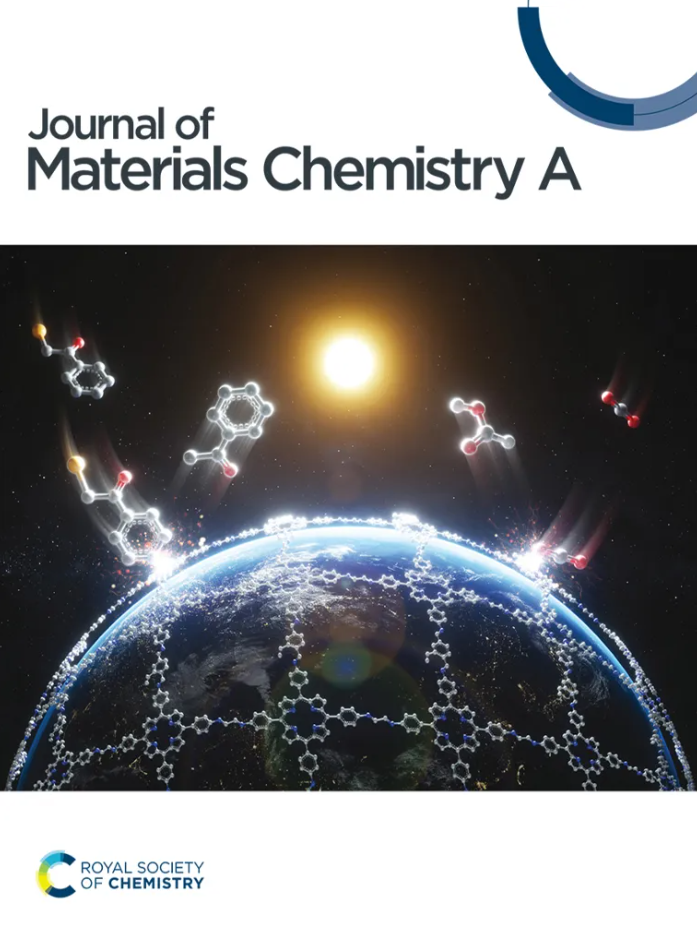
Journal of Materials Chemistry A
Feb 2023 vol 11 : 5864-5872
“Electrochemically robust oxide supported dendritic Pt and Ir
nanoparticles for highly effective polymer electrolyte
membrane-unitized regenerative fuel cells ”
Young-Jin Ko, Hyunchul Kim, Woong Hee Lee, Man Ho Han, Cheoulwoo Oh, Chang Hyuck Choi,
Woong Kim, Jeong Min Baik, Jae-Young Choi, Peter Strasser, Hyung-Suk Oh
Chemical Engineering Journal
June 2023 vol 453 : 139826 (co-first author)
“Strategies for CO₂ electroreduction in cation exchange
membrane electrode assembly”
Jaeyong Park, Young-jin Ko, Chulwan Lim, Hyunchul Kim, Byoung Koun Min, Kwan-Young Lee,
Jai Hyun Koh, Hyung-Suk Oh, Woong Hee Lee
Would you like to be partner with us?
If you or your institution would like to collaborate on a paper or participate in a project, please feel free to contact our office.
.png)


